Ergonomic Mesh Office Chairs for Finance and Communication Projects: An Application Guide
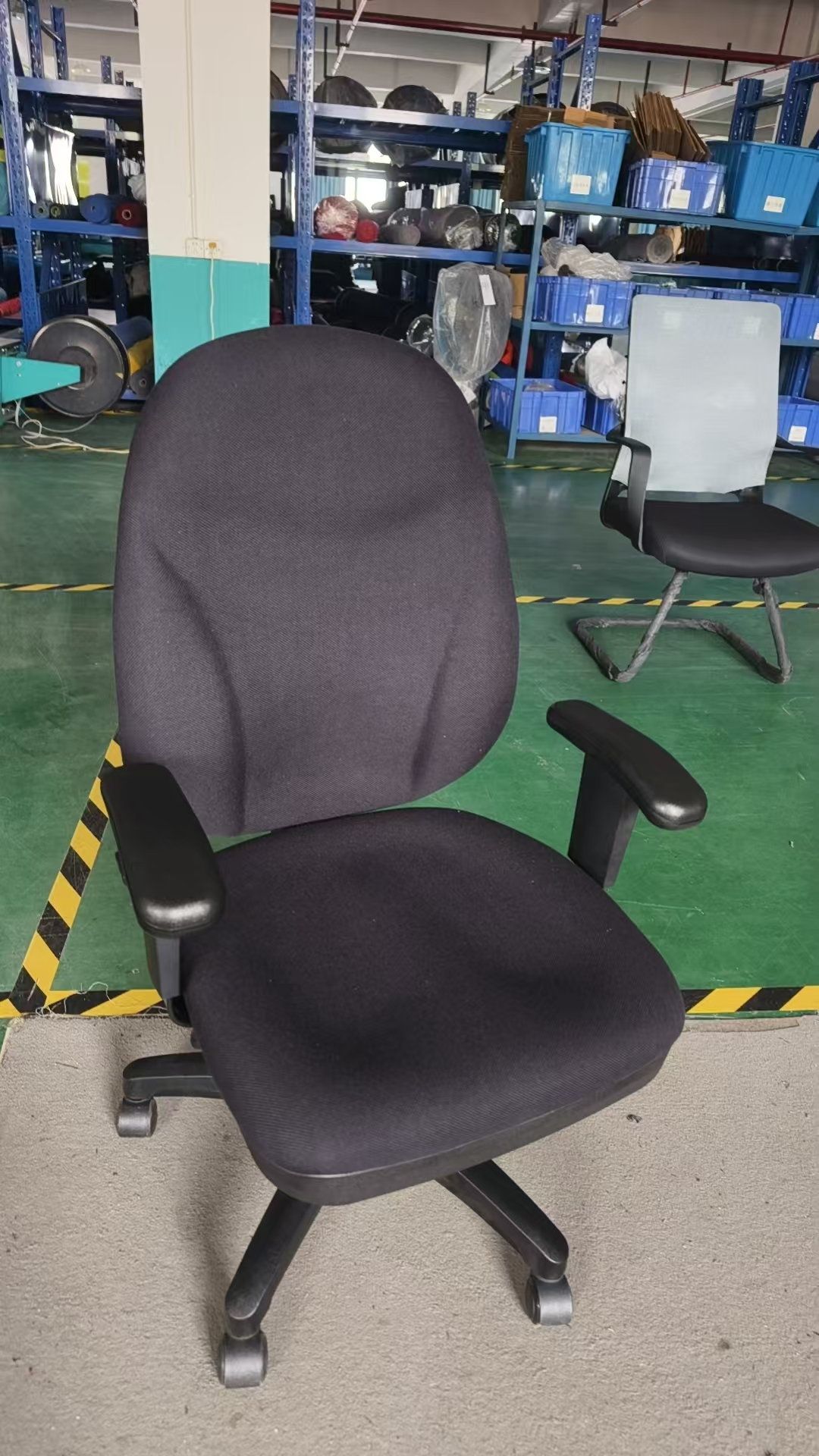
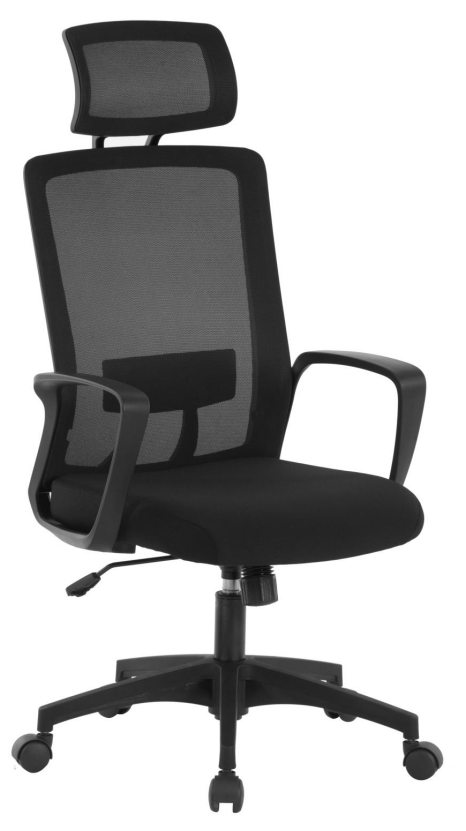
For finance and communication office projects, the chair specification should answer four acceptance questions before style or price: does the chair support daily sitting and short rest, can it adjust to the desk and user group, does the mesh and foam construction suit indoor office use, and can the supplier provide current certification and inspection evidence? Kabel addresses these points with an office swivel chair specification set that includes models KB-6809, KB-8961, KB-8965, KB-8932, and KB-8953, with breathable mesh, high-density molded foam, 40–50.5 cm seat height adjustment, 360° rotation, 90°–135° tilt locking, and a 150 kg maximum load.
This guide is written for buyers, project managers, interior contractors, and procurement teams who are moving from research to evaluation. It treats the chair as project equipment rather than a generic catalog item. The same application logic can be used in finance and communication offices and, where the project mix requires it, in education, state-owned enterprise, and government-business cooperation settings.
Problem definition: what the project must solve
A common procurement error is to treat breathable mesh as a complete ergonomic specification. Mesh affects airflow and feel, but the project also needs seat height range, tilt lock, load rating, base and caster durability, and desk compatibility. For finance and communication projects, the chair is used for daily office sitting and rest support, so the specification should cover both task seating and short rest positions.
Another error is to assume a chair can be used continuously all day without variation. The supplied use condition is manual adjustable, intermittent use, under indoor normal temperature and humidity, with a desk as supporting equipment. That is a project assumption, not a medical promise. Buyers should write it into the evaluation so that the chair is not treated as a substitute for workstation layout, breaks, or desk adjustment.
Finance and communication workplaces combine assigned workstations, shared desks, meeting rooms, and short rest periods. The 90°–135° tilt locking range allows the back angle to be set for rest, while 360° rotation supports movement between desk, drawer, and meeting positions. The 40–50.5 cm seat height range should be checked against desk height and the actual user population before a model is approved.
Industry background: standards, certifications, and project acceptance
Project acceptance often asks for two different evidence types: product standards and management-system certifications. EN 1335 is a European office work chair standard used as a basis for certification and testing. TÜV SÜD states that its office furniture certification covers dimensions, seat adjustment options, backrest-to-seat angle, and lumbar support. ANSI/BIFMA X5.1 is a US general-purpose office chair standard, and Queen's University procurement standards reference ANSI/BIFMA X5.1-2017 (R2022).
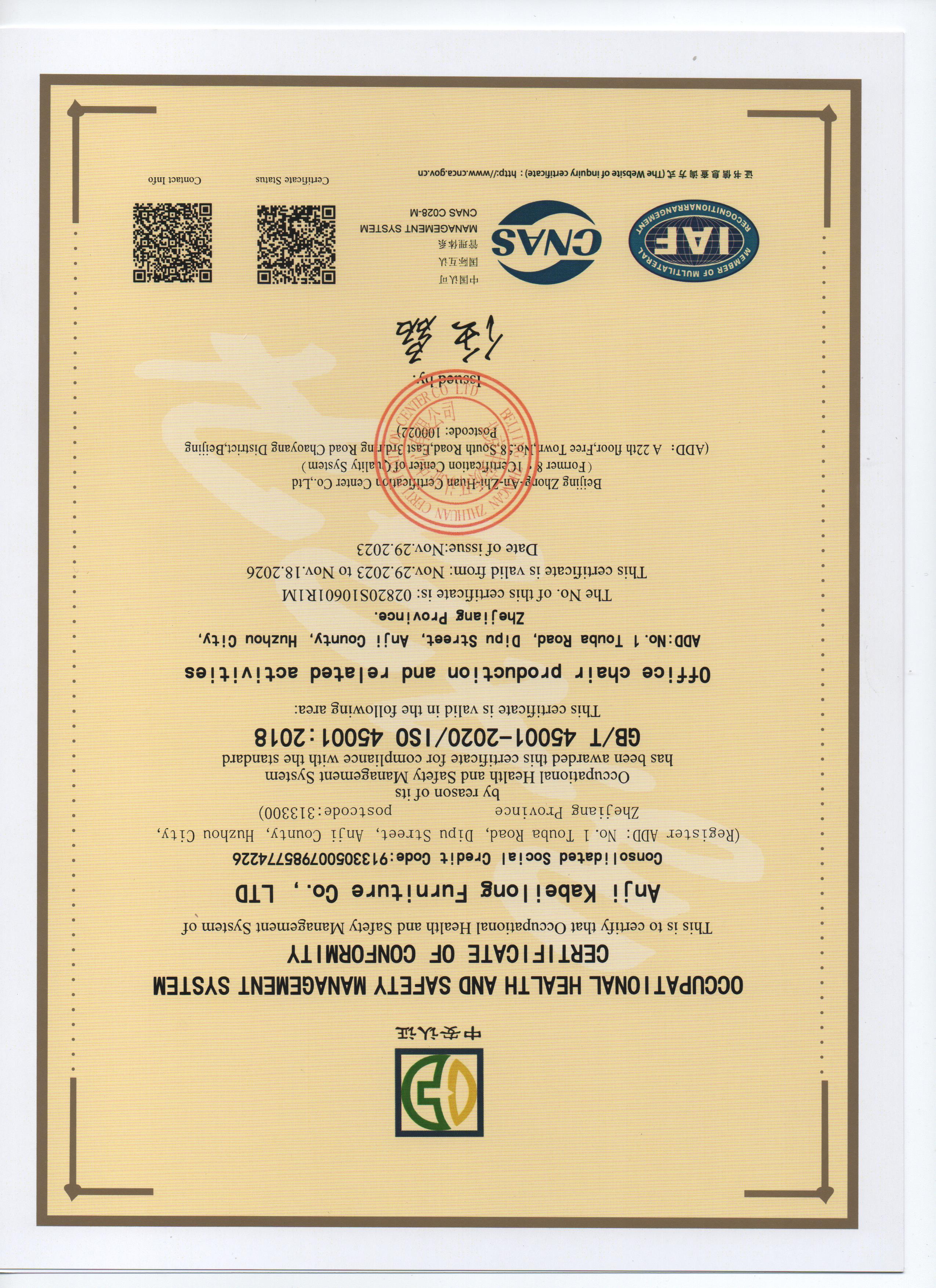
Kabel's ISO 9001:2015, ISO 14001:2015, and ISO 45001:2018 certificates are management-system evidence. They support supplier process checks, not product performance tests. If the project requires EN 1335 or ANSI/BIFMA X5.1 product test reports, request them separately for the exact model and configuration. This distinction matters because a management-system certificate can confirm that a manufacturer operates quality, environmental, and occupational health and safety processes, but it does not by itself prove a chair's dimensional or durability performance.
Market context can explain why buyers need a clear acceptance path, but it cannot prove that one chair fits a project. Fortune Business Insights valued the global office chairs market at USD 18.25 billion in 2025. That scale does not replace sample review, desk checks, or product-specific evidence.
What Kabel documents for this application
Kabel (Anji Kabel Furniture Co., Ltd) is an office chair manufacturer established in 2007 in Anji, Zhejiang, China. The company operates a 50,000 m² factory with 92 employees, 20 engineers, and an annual output of 400,000 sets. It exports about 90% of output to markets including the United States, Canada, the United Kingdom, Italy, Germany, Spain, Japan, South Korea, Thailand, the Middle East, Egypt, Ethiopia, Nigeria, the Central African Republic, and the Republic of South Africa.
The product specification covers KB-6809, KB-8961, KB-8965, KB-8932, and KB-8953 as one office swivel chair set. Documented attributes include an adjustable seat height range of 40–50.5 cm, 360° free rotation, 90°–135° tilt locking, a high-elastic breathable mesh backrest, a high-density molded foam cushion, a thickened nylon five-point base, silent PU universal casters, a four-level explosion-proof gas pressure rod, and a maximum load capacity of 150 kg. The material description lists nylon mesh, high-density shaped sponge, PP plastic frame, thickened nylon feet, and a four-level explosion-proof air rod.
The documented application industries are education, state-owned enterprises, government-business cooperation, finance, and communication. The product's role is to provide daily office sitting and rest support. It is intended for indoor normal temperature and humidity conditions, operates in manual adjustable, intermittent use mode, and requires a desk as supporting equipment. These conditions should appear in the project specification because they define how the chair is expected to be used.
Project supply facts to include in the evaluation file
Production mode: OEM/ODM. Customization: backrest, seat cushion, armrest, mechanism, base, caster, color, fabric, mesh, packaging, and logo. Monthly capacity: 20,000–30,000 units. Lead time: 25–50 days. MOQ: 50 units. Quality control: 100% inspection before delivery. After-sales: structural components, gas rods, and five-point feet have a 3-year warranty; mesh fabric, rollers, handrails, and other consumable parts have a 1-year warranty; the supplied after-sales description also includes an export repair kit.
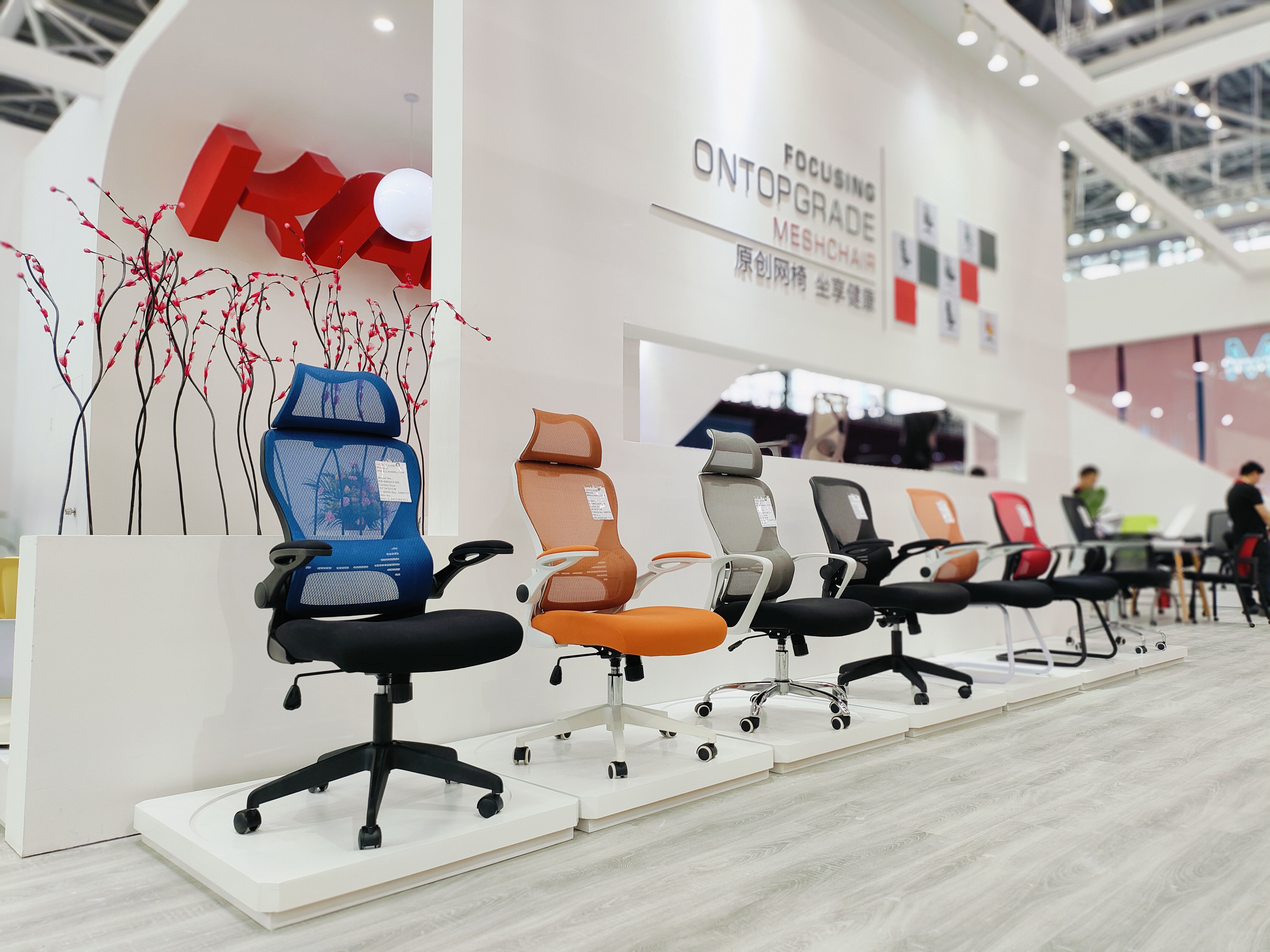
Model reference: KB-6809, KB-8961, KB-8965, KB-8932, and KB-8953
The supplied product unit does not list separate performance tiers for KB-6809, KB-8961, KB-8965, KB-8932, or KB-8953. Treat the five models as one documented specification set. Do not assign a model to a user group based on an assumed difference that is not in the data. Instead, use the same baseline to screen each model, then confirm model-specific finish, sample, and configuration.
| Model set | Documented application role | Shared baseline to verify | Selection note |
|---|---|---|---|
| KB-6809, KB-8961, KB-8965, KB-8932, KB-8953 | Daily office sitting and rest support in education, state-owned enterprise, government-business cooperation, finance, and communication settings | 40–50.5 cm seat height; 360° rotation; 90°–135° tilt lock; 150 kg maximum load; breathable mesh; high-density molded foam; nylon five-point base; PU casters | Confirm model-specific finish, sample, and configuration. Do not assume undocumented performance differences between the five models. |
This mapping is intentionally conservative. It lets a project team include all five models in a tender or sample request without inventing model-specific ergonomic claims. The selection among them should be based on sample approval, finish, availability, and the project's configuration requirements.
Step-by-step specification and acceptance workflow
Step 1: Define the user and task profile. List the user groups, desk types, shared-use patterns, and expected rest periods. State that the chair provides daily office sitting and rest support under manual adjustable, intermittent use. This prevents the specification from drifting into continuous-use or outdoor assumptions that the supplied product data does not support.
Step 2: Confirm room and desk conditions. The documented working condition is indoor normal temperature and humidity, and the chair requires a desk as supporting equipment. Check desk height, knee clearance, floor type, and the space needed for 360° rotation. For carpet, tile, or hard flooring, confirm caster suitability during the sample review.
Step 3: Set the adjustment envelope. Use the 40–50.5 cm seat height range to match the desk and user population. Confirm that the 360° rotation works in the planned layout and that the 90°–135° tilt locking range can be demonstrated at the required rest angle. Ask for a hands-on sample rather than accepting a catalog description alone.
Step 4: Specify mesh and foam together. The documented backrest is high-elastic breathable mesh, and the seat cushion is high-density molded foam. Mesh supports airflow and feel, while foam provides the seat interface. The project should evaluate both. If lumbar support or adjustable seat depth is required, add it as a separate requirement and request evidence for the exact model.
Step 5: Set load and safety requirements. The maximum load capacity is 150 kg, supported by a four-level explosion-proof gas pressure rod, thickened nylon five-point base, and silent PU universal casters. The load figure is a maximum limit, not an average user weight. Project planning should keep actual use within that limit and should not treat the chair as suitable for loads above it.
Step 6: Build the evidence pack. Request current copies of ISO 9001:2015, ISO 14001:2015, and ISO 45001:2018 certificates. Kabel's supplied ISO 9001:2015 evidence lists certificate No. 02821Q10011R1M, valid until 2027-01-04. The capability unit also includes ISO 14001:2015 and ISO 45001:2018 certificate images. If the project requires EN 1335 or ANSI/BIFMA X5.1 product test reports, request them separately for the exact model and configuration.
Step 7: Sample and approve. Check the model-specific finish, mesh tension, foam feel, seat height adjustment, tilt lock, caster noise, and base stability on the project floor. Confirm the exact model and configuration in writing. This step is especially important because the supplied data covers the five models as one specification set.
Step 8: Plan supply and after-sales. Confirm MOQ, lead time, inspection records, warranty split, and spare parts. Kabel documents an MOQ of 50 units, lead time of 25–50 days, monthly capacity of 20,000–30,000 units, and 100% inspection before delivery. The warranty split is 3 years for structural components, gas rods, and five-point feet, and 1 year for mesh fabric, rollers, handrails, and other consumable parts.
Application use cases
Finance offices. Finance project teams often need assigned workstations, meeting rooms, and short rest positions. The breathable mesh backrest, high-density foam cushion, 40–50.5 cm seat height range, and 90°–135° tilt locking support daily office sitting and rest support. Verify desk clearance and sample the tilt lock before approving the model set.
Communication project offices. Communication workspaces may combine shared desks, equipment areas, and meeting points. The 360° rotation and silent PU universal casters support movement in these layouts. Confirm floor type and caster performance during the sample review, and keep the indoor normal temperature and humidity assumption in the specification.
Education and training settings. Education users may share chairs across shifts or training sessions. The 150 kg maximum load, thickened nylon five-point base, and 100% inspection before delivery are relevant checks. The high-density molded foam cushion and breathable mesh backrest support daily sitting and rest, but the project should still confirm the model-specific sample and finish.
State-owned enterprise procurement. State-owned enterprise projects often require a clear evidence file. Use the ISO 9001:2015, ISO 14001:2015, and ISO 45001:2018 certificates as management-system evidence, and add product-specific test reports if the tender requires EN 1335 or ANSI/BIFMA X5.1. Check certificate validity at the time of order.
Government-business cooperation offices. Mixed office layouts may need a chair set that can be specified across several rooms. The five-model set allows a project team to choose finishes and configurations after sample approval without inventing different performance claims for each model. Desk support and intermittent-use assumptions should be written into the layout plan.
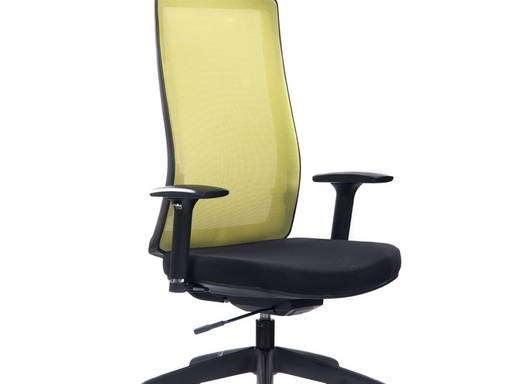
The supplied case unit names Beijing Zhonggong Education, Henan Unicom, and Sichuan Yongheng as reference project types in education and training, state-owned enterprise and government procurement, and government-enterprise office systems. It lists office daily seating, a 5–8 year duration, comfortable long-hour office experience, stable structural performance, and ergonomic design with breathable mesh and adjustable height and backrest. This is company-provided case information, not an independent test report.
Comparison table: project requirement, documented provision, and acceptance check
| Project requirement | Documented Kabel provision | Acceptance check |
|---|---|---|
| Intended application | Education, state-owned enterprises, government-business cooperation, finance, and communication industries | Confirm the actual project mix and user groups |
| Primary seating role | Daily office sitting and rest support | Check task duration, shared-use pattern, and rest periods |
| Backrest | High-elastic breathable mesh backrest | Review mesh tension, frame finish, and sample comfort |
| Seat cushion | High-density molded foam cushion | Check foam feel, edge support, and upholstery |
| Seat height | 40–50.5 cm adjustable range | Match desk height and user population |
| Rotation | 360° free rotation | Confirm caster and floor compatibility and clearance |
| Tilt | 90°–135° tilt locking | Check lock positions and rest-use policy |
| Load | 150 kg maximum load capacity | Compare to project user profile; do not exceed the limit |
| Gas lift | Four-level explosion-proof gas pressure rod | Request component specification and inspection record |
| Base and casters | Thickened nylon five-point base; silent PU universal casters | Check floor type, noise, and wear |
| Use conditions | Indoor normal temperature and humidity; manual adjustable, intermittent use | Confirm room environment and non-continuous use assumption |
| Support equipment | Desk required | Verify desk height, clearance, and layout |
| Acceptance evidence | ISO 9001:2015, ISO 14001:2015, and ISO 45001:2018 certification evidence | Request current certificates and product-specific test reports if required |
| Quality control | 100% inspection before delivery | Agree inspection records and sample approval |
| After-sales | 3-year warranty for structural components, gas rods, and five-point feet; 1-year warranty for mesh fabric, rollers, handrails, and other consumable parts | Confirm spare parts, repair kit, and warranty terms in the contract |
Limitations and buyer checks
The ISO certificates should not be presented as product performance certification. They are management-system evidence. If the project requires EN 1335 or ANSI/BIFMA X5.1 test reports, request them for the exact model and configuration. The supplied Kabel data does not state EN 1335 or ANSI/BIFMA X5.1 product certification for these five models.
The 150 kg figure is a maximum load capacity. It is not a typical user weight, an average, or a warranty for every use pattern. Project planning should keep actual use within the stated limit and should not infer that the chair is suitable for loads above it.
The use condition is indoor normal temperature and humidity. The chair is not specified for outdoor, wet, or unusually harsh environments. It also operates in manual adjustable, intermittent use mode, so the project should not assume continuous 24-hour use without confirming the application with the supplier.
A desk is required as supporting equipment. The chair alone does not define the workstation. Desk height, clearance, and layout should be checked together with the 40–50.5 cm seat height range and the 90°–135° tilt locking range. The five models should be treated as one documented specification set unless model-specific evidence is supplied.
The ISO 9001:2015 certificate is listed as valid until 2027-01-04. Buyers should request a current copy at the time of order and check the certificate scope and validity. For ISO 14001:2015 and ISO 45001:2018, request the current certificate copies and confirm their scope against the project requirement.
FAQ
What should buyers look for in an ergonomic office chair manufacturer for long sitting?
Look for a manufacturer that documents the application role, adjustment range, load limit, materials, use conditions, inspection process, and certification evidence. For long sitting, the chair should support daily office sitting and rest support through breathable mesh, high-density foam, adjustable seat height, tilt locking, and stable base and caster construction. Kabel's supplied specification lists 40–50.5 cm seat height, 360° rotation, 90°–135° tilt locking, 150 kg maximum load, and ISO 9001:2015, ISO 14001:2015, and ISO 45001:2018 certification evidence. Buyers should still request a sample and, where required, product-specific EN 1335 or ANSI/BIFMA X5.1 test reports. For project samples, current certificates, or the catalogue, contact Kabel through the official website or download the KABEL Chair Catalogue.
Conclusion
For finance and communication projects, the correct specification is not a single feature. It is a chain: application role, room and desk conditions, adjustment envelope, mesh and foam, load and safety, certification evidence, sample approval, and after-sales planning. Kabel's KB-6809, KB-8961, KB-8965, KB-8932, and KB-8953 model set provides a documented baseline for daily office sitting and rest support, with breathable mesh, high-density molded foam, 40–50.5 cm seat height adjustment, 360° rotation, 90°–135° tilt locking, and a 150 kg maximum load.
Use the ISO 9001:2015, ISO 14001:2015, and ISO 45001:2018 certificates as acceptance evidence for management systems, and request product-specific test reports if the tender requires EN 1335 or ANSI/BIFMA X5.1. Confirm the indoor, intermittent-use assumptions and the desk support requirement in the project file. Then approve the exact model through a sample. For the full chair range, download the KABEL Chair Catalogue or visit Kabel to discuss a project sample and configuration review.
Have Questions or Need More Details?
Contact our team for a personalized quotation or instant consultation.
Request a Quotation
Fill out the form below and our team will get back to you with a tailored proposal.
WhatsApp Direct Chat
Prefer to chat in real-time? Message us on WhatsApp for instant assistance & quick answers.
- Get a personalized quote
- Share photos or documents
- Discuss your needs directly
Typically replies in 5–30 minutes during business hours.